Gmail Open Tracking Accuracy Explained
Last updated: February 27, 2026
Short Answer: Gmail email tracking detects when images inside an email are loaded. Accuracy depends on technical factors such as Gmail’s image proxy caching, device switching, forwarding, and whether images are enabled.
Quick Summary:
- Tracking detects image loading.
- Gmail uses proxy servers and caching.
- Forwarding and device changes may influence results.
- Reliable systems focus on the first confirmed open event.
Gmail open tracking detects when images inside an email are loaded. While Gmail’s proxy caching and device behavior can influence how signals appear, meaningful confirmation is based on whether the tracking image is requested when the message is opened.
Definition: Gmail open tracking accuracy refers to how reliably a tracking system can detect and interpret image loading events when an email is opened.
How Gmail Email Tracking Works
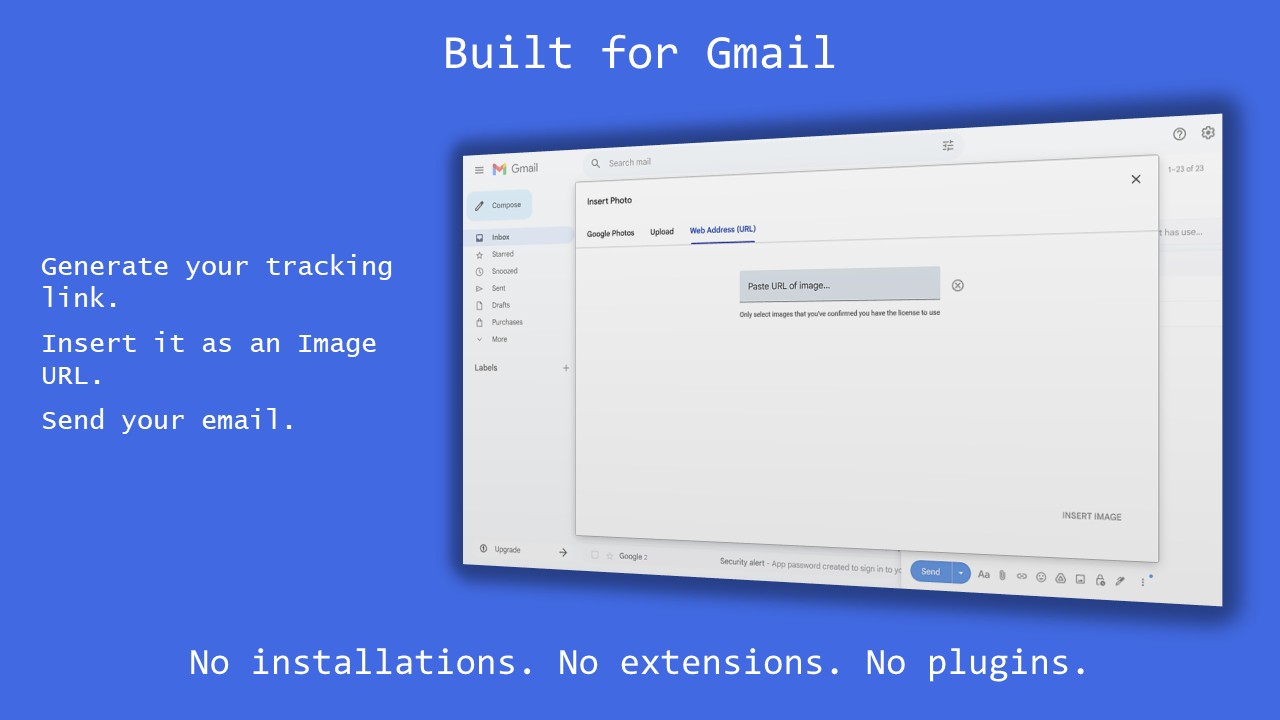
Email tracking works by embedding a unique image inside your message. When the recipient opens the email and images load, the tracking system records that event.
This process does not rely on Gmail’s internal systems. Instead, it depends on whether the email client loads external images.
Tracking detects image loading — not reading behavior. It confirms that the message was opened in an environment where images were enabled.
Learn more about how Gmail tracking works and the technical basics behind image-based confirmation.
What Affects Tracking Accuracy?
1. Gmail Image Proxy Caching
Gmail retrieves images through proxy servers before delivering them to recipients. This may cause tracking signals to appear differently than direct device-based image requests.
Proxy retrieval can sometimes occur before the user fully interacts with the message. However, meaningful open confirmation is still based on image load behavior.
For deeper context, see how Gmail image proxy affects tracking.
2. Image Blocking
If a recipient disables image loading in their email client, tracking cannot detect the open. In this case, no image request is made, and no confirmation signal is generated.
This creates what is known as a false negative — the message may have been read, but tracking cannot confirm it.
3. Forwarding
If an email is forwarded, additional image loads may occur when new recipients open the message. Tracking systems may record these as separate image events.
4. Multiple Devices
Opening the same email on multiple devices (for example, mobile and desktop) may generate multiple image requests.
Well-designed tracking systems focus on the first confirmed open rather than counting every repeated signal.
5. False Positives vs False Negatives
No tracking system is perfect. Accuracy must be understood in terms of probabilities.
- False negative: The email was opened but images were disabled.
- False positive: An automated image load occurs without meaningful human interaction.
Understanding this balance helps set realistic expectations for Gmail tracking accuracy.
Should You Count Multiple Opens?
Some tracking systems count every image load. Others focus only on the first confirmed open event.
Repeated image loads can occur due to:
- Opening the email multiple times
- Viewing on multiple devices
- Forwarding to other recipients
- Image reloading behavior
When determining whether someone read your Gmail, the first confirmed open is typically the most meaningful signal. Counting every reload can inflate perceived engagement.
How MailPing Handles Accuracy
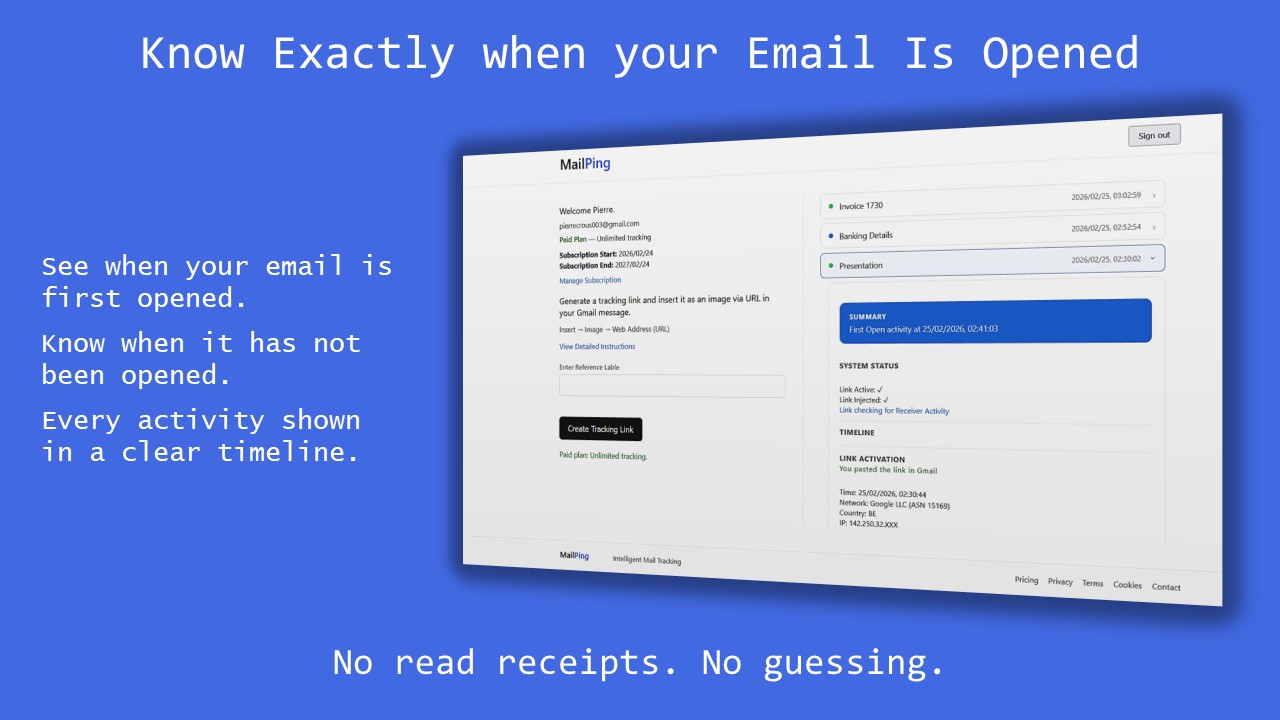
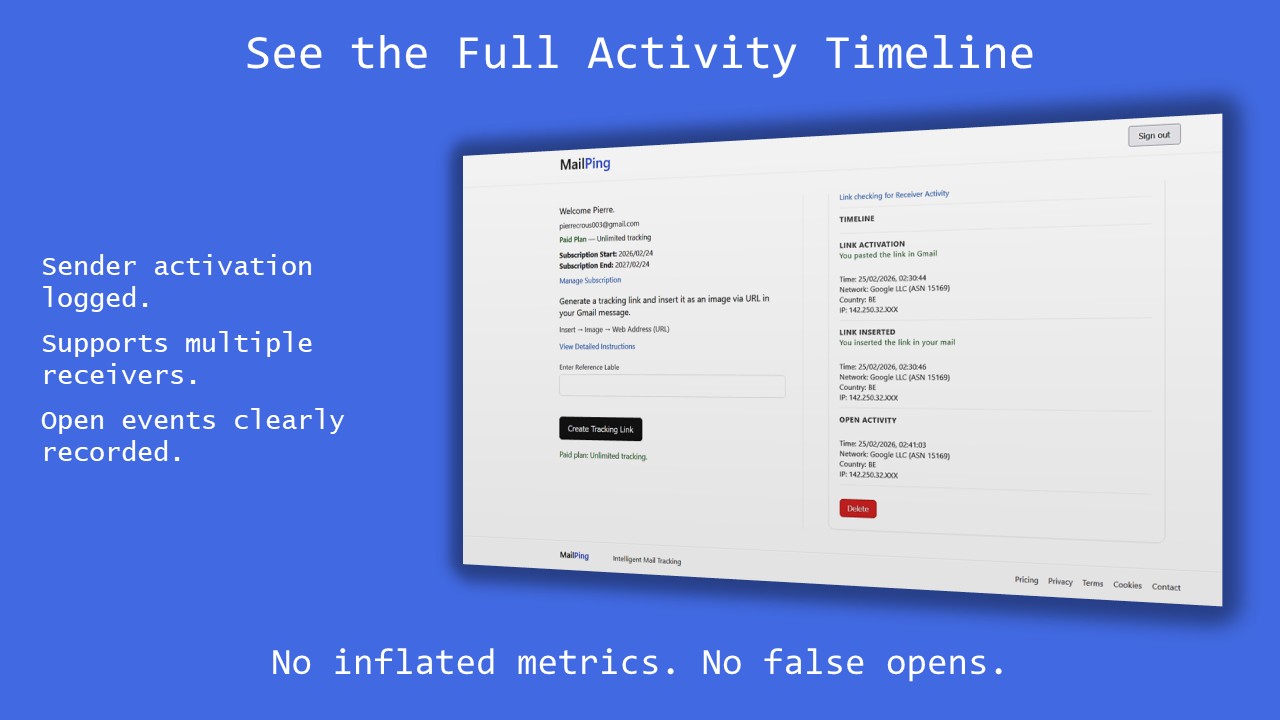
MailPing focuses on identifying the first confirmed open timestamp rather than inflating repeated signals.
Unlike built-in read receipts (see Gmail read receipt limitations), tracking works independently of Workspace features.
What Gmail Tracking Cannot Measure
Email tracking confirms image loading. It does not measure:
- How long the email was read
- Whether the recipient carefully reviewed the content
- Whether attachments were opened
- Emotional reaction or engagement
Tracking provides confirmation of access, not comprehension. Understanding this distinction prevents unrealistic expectations.
Frequently Asked Questions
How accurate is Gmail email tracking?
Tracking detects when images are loaded inside an email. Accuracy depends on image loading behavior, Gmail’s proxy caching, forwarding, device usage, and whether images are enabled.
Does Gmail image caching affect tracking?
Yes. Gmail uses proxy servers that may cache images before delivering them to recipients, which can influence how and when tracking signals appear.
Can Gmail tracking detect multiple opens?
Yes, but many systems focus on the first confirmed open event.
Does Gmail tracking work for personal accounts?
Yes. Image-based tracking works with personal Gmail accounts when images are enabled.
Is Gmail tracking 100% accurate?
No tracking method is 100% accurate. Accuracy depends on image loading behavior, proxy handling, and recipient settings.
See MailPing in Action