Why Gmail Opens Appear From Google IP Addresses
Last updated:
Short Answer: Gmail email opens sometimes appear from Google IP addresses because Gmail retrieves images through proxy servers instead of loading them directly from the recipient device.
When Gmail loads images contained in an email, those images are typically retrieved through Google-controlled proxy infrastructure. As a result, tracking signals may originate from Google servers rather than the recipient’s local network.
This behavior is a normal part of Gmail’s image security and privacy architecture.
Quick Answer
Gmail email opens may appear from Google IP addresses because Gmail loads images through proxy servers.
Instead of the recipient’s device requesting images directly from the sender’s server, Gmail retrieves images through Google infrastructure and delivers them to the recipient.
This means:
- The email is opened.
- Gmail loads images contained in the message.
- The request originates from a Google server.
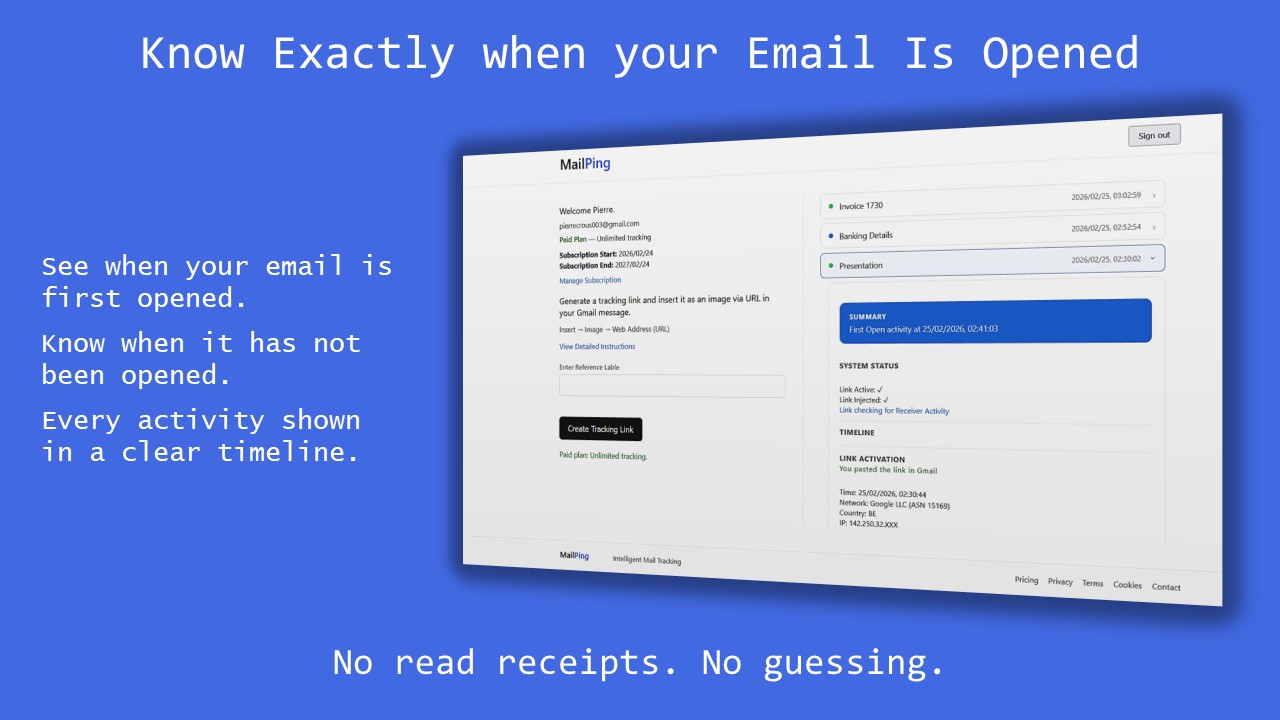
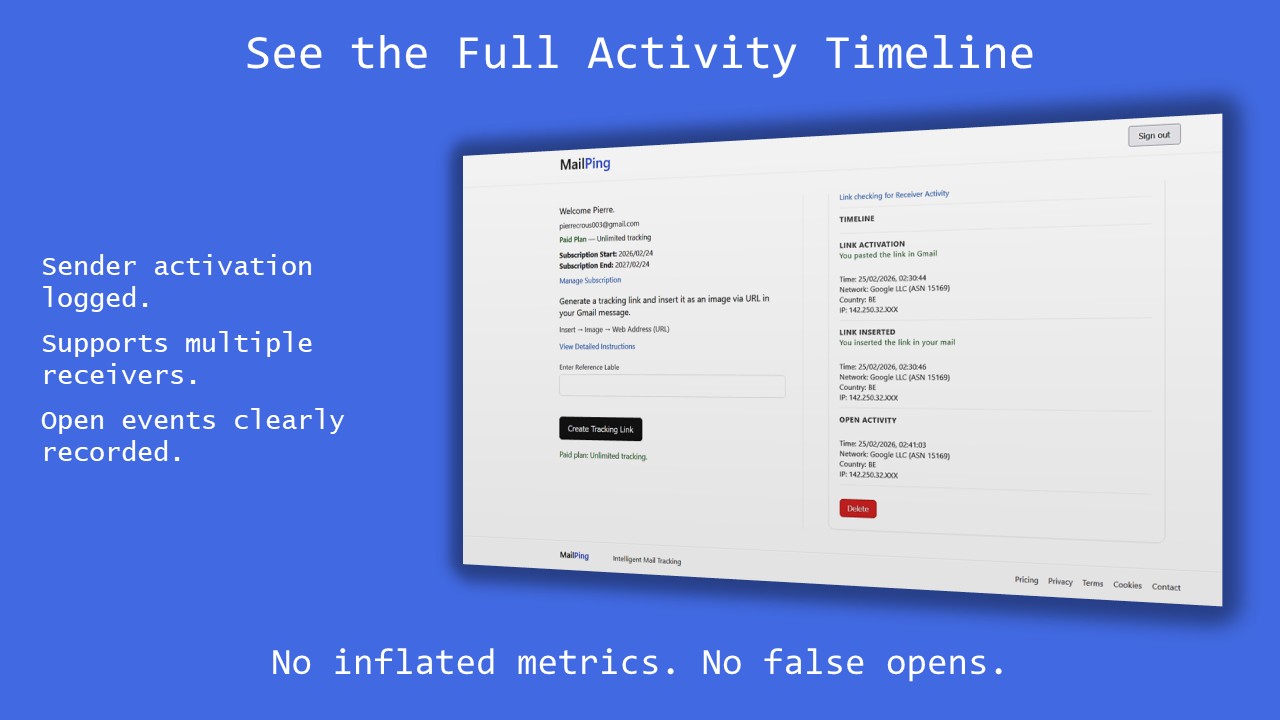
- The tracking system records a Google IP address.
Quick Summary:
- Gmail retrieves images through proxy servers.
- Image requests may originate from Google infrastructure.
- Tracking systems may log Google IP addresses.
- This behavior protects recipient privacy.
Gmail email opens sometimes appear from Google IP addresses because Gmail retrieves images through proxy servers rather than loading them directly from the recipient’s device.
Why Gmail Uses Proxy Servers
Gmail introduced proxy-based image loading to improve security, performance, and privacy.
Before proxy infrastructure was implemented, email images were typically loaded directly from the sender’s server. This allowed senders to identify the recipient’s IP address and device information.
By routing image requests through Google infrastructure, Gmail prevents senders from directly accessing the recipient’s IP address.
You can learn more about this architecture in how Gmail loads images.
How Gmail Proxy Infrastructure Works
When a Gmail user opens an email containing external images, the request typically follows this path:
- The recipient opens the email.
- Gmail retrieves external images through Google proxy servers.
- The images are scanned and sometimes cached.
- The images are delivered to the recipient’s device.
Because the image request originates from Google servers, the sender’s tracking system records a Google IP address instead of the recipient’s location.
In addition to the request origin, timing also plays a role. In the Email Client Protocol Study – Gmail vs Apple vs Outlook , MailPing observed that Gmail can generate a proxy-based image request before user interaction, while Apple Mail generates proxy requests only at open and Outlook loads images directly from the recipient device at open. This means some Gmail tracking signals may originate from Google infrastructure before the user actually opens the email.
For a detailed explanation see how Gmail image proxy affects email tracking. You can also learn how Gmail stores retrieved images in how Gmail caches images.
Does This Mean Tracking Is Inaccurate?
Not necessarily. Gmail proxy infrastructure changes how image requests appear, but it does not prevent meaningful open detection.
Tracking systems detect when the image is retrieved, which confirms that the email content was rendered somewhere in the Gmail delivery chain.
However, because the request may originate from Google infrastructure, the recorded IP address may not represent the recipient’s location.
For more details see Gmail open tracking accuracy.
Why Gmail Protects Recipient IP Addresses
Protecting user privacy is one of the main reasons Gmail uses proxy-based image loading.
Without proxy infrastructure, senders could determine information such as:
- The recipient’s IP address
- The recipient’s approximate location
- The device used to open the email
Proxy servers prevent direct access to this information.
Understanding Gmail Tracking Signals
Modern email tracking systems must interpret Gmail signals carefully.
A recorded image request confirms that the message was opened and images were loaded, but the IP address may represent Gmail infrastructure rather than the recipient device. These requests are typically triggered by a small invisible image known as a tracking pixel.
Understanding this distinction helps avoid misinterpreting tracking data.
Frequently Asked Questions
Why do Gmail opens appear from Google IP addresses?
Gmail loads images through Google proxy servers instead of directly from the recipient’s device, which causes tracking systems to record Google IP addresses.
Does Gmail hide the recipient IP address?
Yes. Gmail routes image requests through its own infrastructure, preventing senders from seeing the recipient’s actual IP address.
Do Gmail proxy servers break email tracking?
No. Tracking still works, but the request appears to come from Google servers rather than the recipient’s device.
Why does the open location look incorrect?
The recorded location often reflects the Google server that retrieved the image, not the recipient’s real location.
Can Gmail trigger opens before the email is read?
In some cases, Gmail may prefetch images, which can generate tracking signals before direct user interaction.
Does Gmail cache tracking images?
Yes. Cached images can affect how repeat opens are recorded, as subsequent views may not trigger a new request.
See MailPing in Action