How Long Should You Wait Before Following Up on an Email?
Last updated:
Short Answer: In most professional situations, waiting 24–72 hours before following up is appropriate. The right timing depends on urgency, context, and whether your original email was opened.
Quick Summary:
- 24 hours for urgent matters.
- 48–72 hours for standard business emails.
- 5+ days for non-urgent outreach.
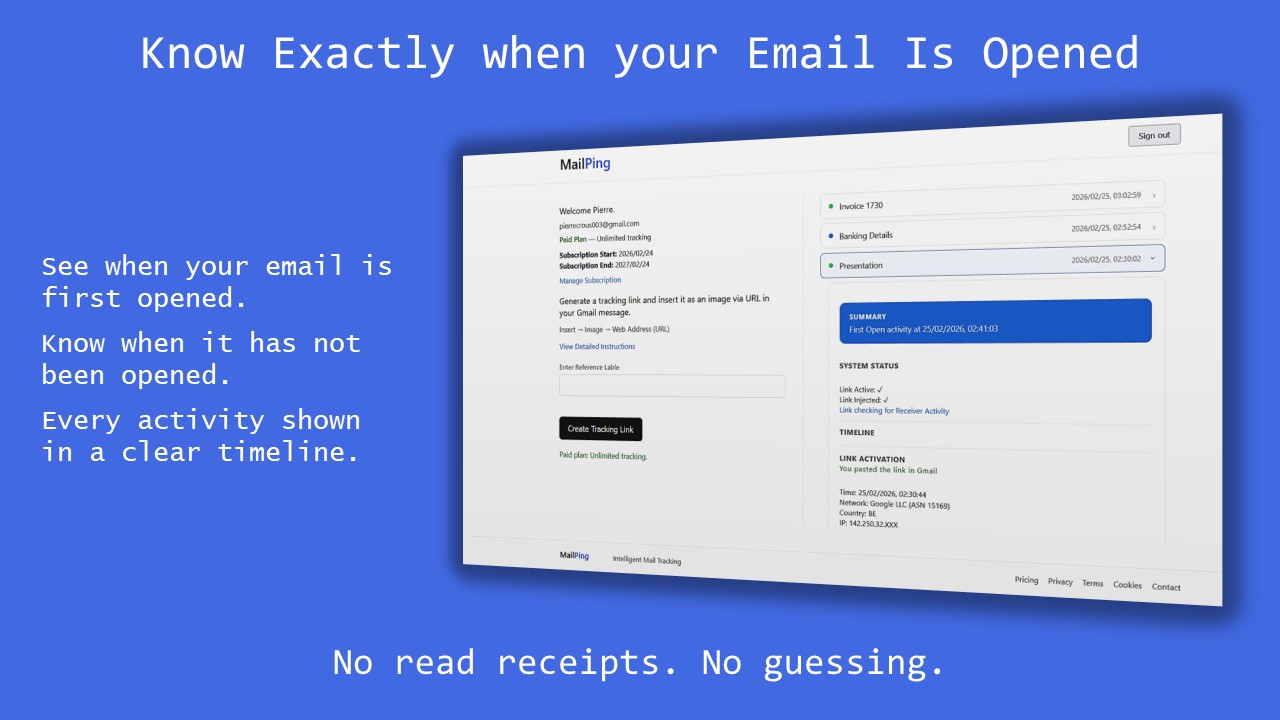
- Open confirmation helps guide timing.
Common Questions
Why didn’t someone reply to my email?
There are many possible reasons. The email may not have been opened yet, the recipient may be busy, or they may plan to respond later.
How long should I wait before following up?
In most professional situations, waiting 24–72 hours before sending a follow-up is appropriate.
How can I know if my email was opened?
Personal Gmail accounts do not provide built-in read confirmations, so confirming an open requires an external tracking method.
Following up too soon can feel pushy. Waiting too long can cost opportunities. The right timing depends on context — but knowing whether your email was opened removes much of the guesswork. For a full explanation of how Gmail email tracking works, see the complete Gmail email tracking guide.
Standard Follow-Up Timing Guidelines
- Within 24 hours: Only for urgent or time-sensitive matters.
- 48–72 hours: Typical professional follow-up window.
- 5–7 days: Suitable for introductions, networking, or low-priority emails.
These are general guidelines. Industry norms and relationship context matter.
Use Open Confirmation to Decide When to Follow Up
Knowing whether your email was opened changes how you should approach a follow-up.
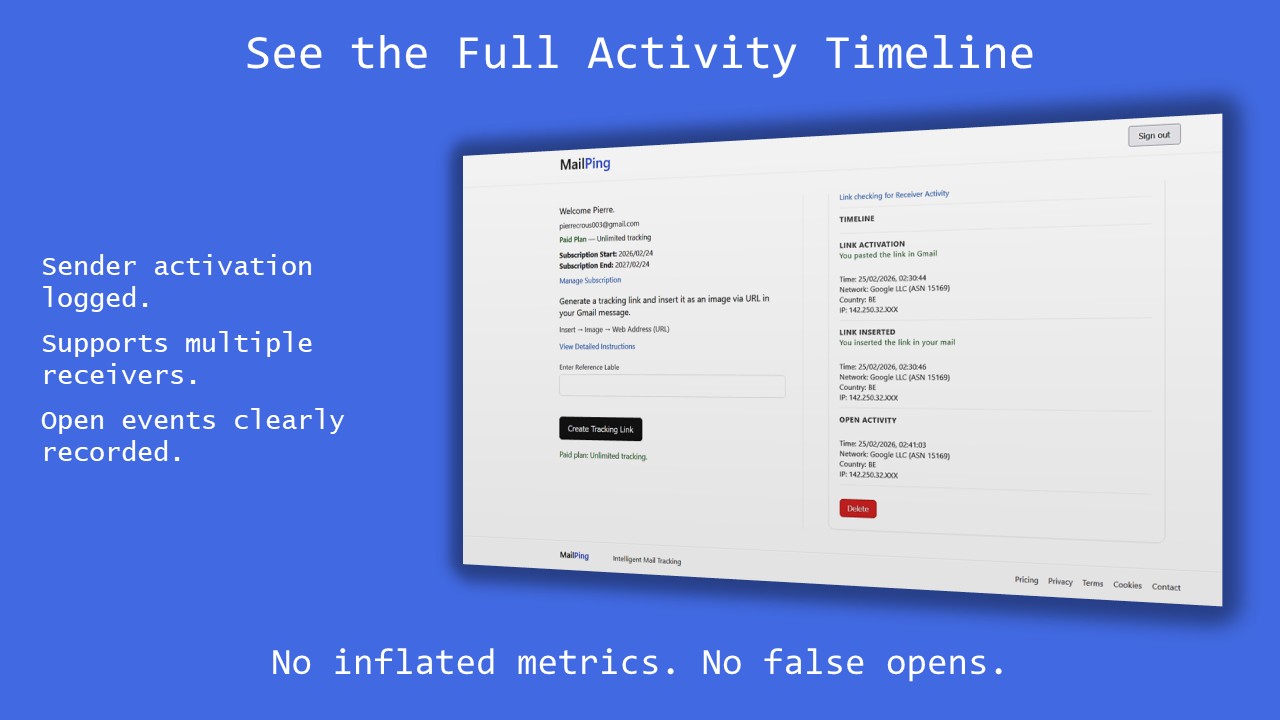
- If the email was not opened: Waiting several days before following up is often reasonable. The message may simply have been missed.
- If the email was opened recently: A follow-up after 48–72 hours can be appropriate if the matter is time-sensitive.
- If the email was opened multiple times: The recipient may be reviewing the message but waiting for the right time to respond.
This is why confirming whether an email was opened helps remove guesswork from follow-up timing.
What If Your Email Was Never Opened?
If your original message was not opened, a follow-up after several days is often reasonable. Emails can be buried under high inbox volume.
If you're unsure whether the email was viewed, see how to know if someone read your email in Gmail.
What If It Was Opened But No Reply?
An open confirms visibility, not intent. Someone may open your email quickly but plan to reply later.
If you already know the email was opened but there is still no response, the situation may require a different approach.
For a deeper explanation, see what it means when your email seems to be ignored and how to interpret that situation before sending another message.
Why Open Confirmation Changes Your Strategy
Personal Gmail accounts do not provide built-in read confirmations (see Gmail read receipt limitations). Without confirmation, follow-up timing becomes guesswork.
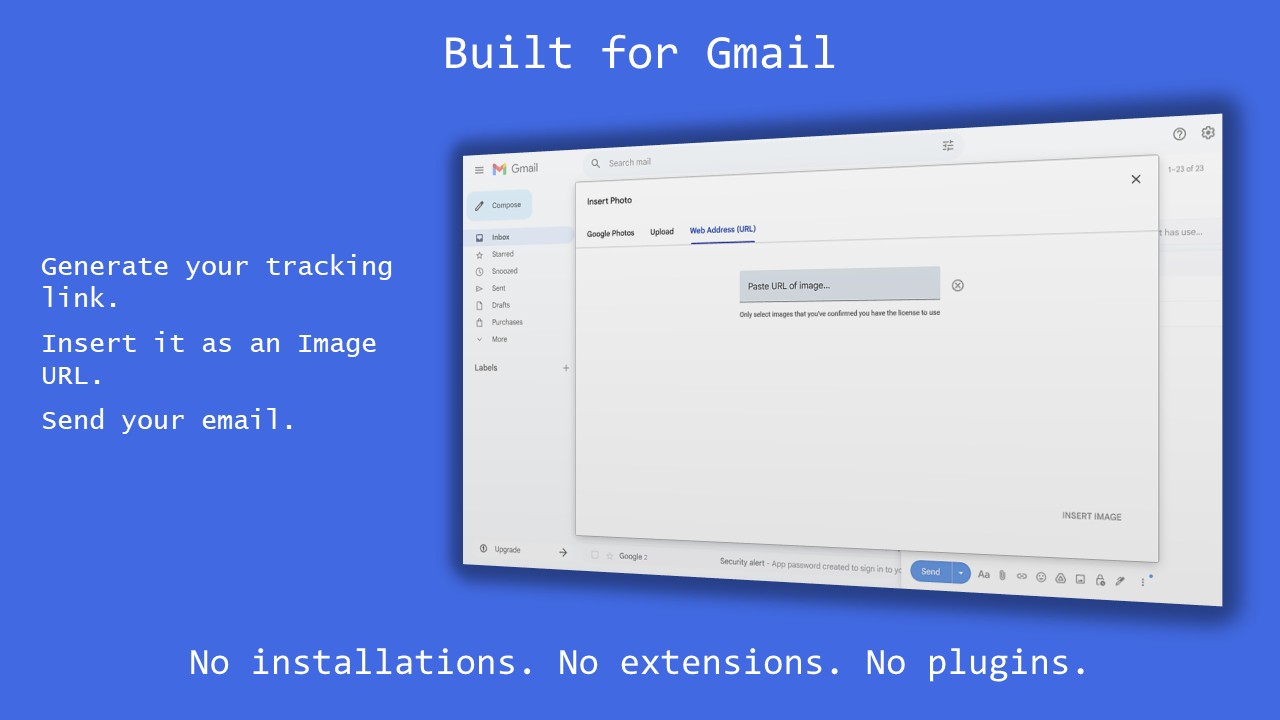
Open tracking works by detecting when a unique image inside your email is loaded. When the email is displayed, the tracking system records that event.
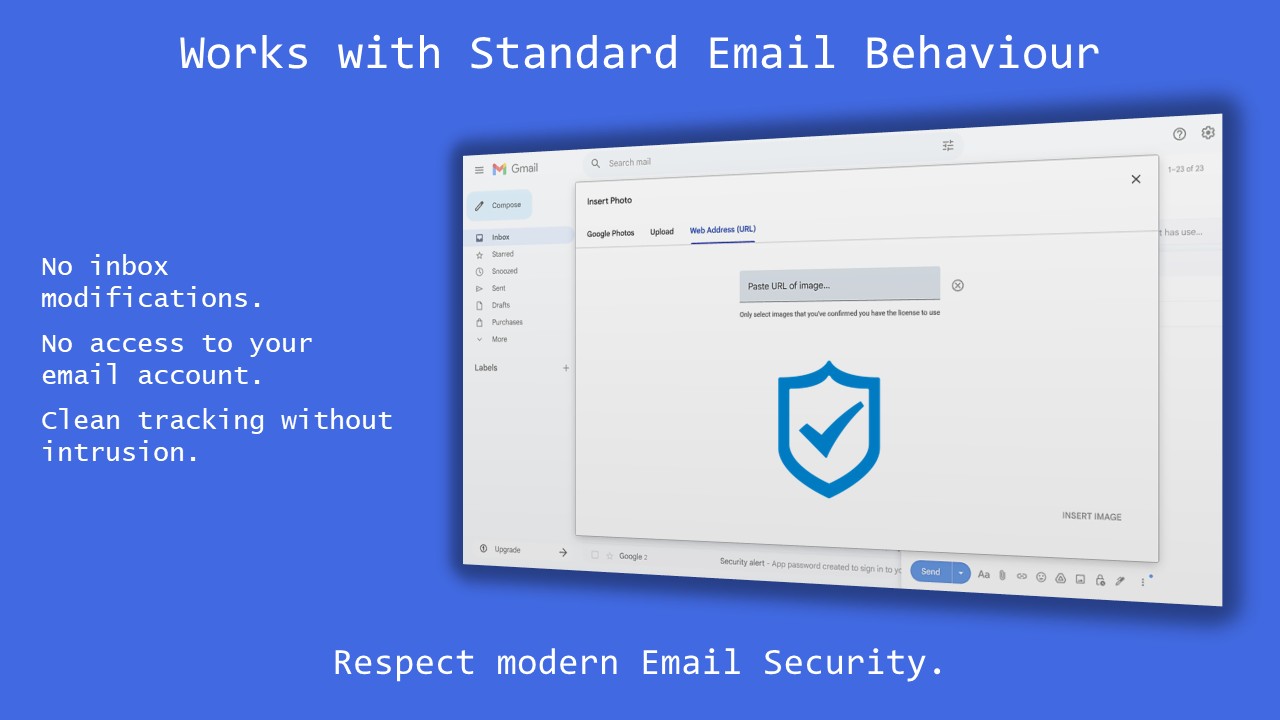
However, Gmail retrieves images through proxy infrastructure operated by Google. Because of this, image requests may sometimes originate from Google servers rather than the recipient’s device.
This means tracking signals should be interpreted carefully. For a deeper explanation see how accurate Gmail email tracking is.
For a setup guide, see how to track emails in Gmail step-by-step.
Track the first real open — no fake signals, no inflated metrics.
Start Tracking FreeFrequently Asked Questions
Is it rude to follow up after one day?
Unless the matter is urgent, waiting at least 24–48 hours is typically more professional.
What is the ideal time to send a follow-up email?
48–72 hours is generally considered appropriate for most business communication.
Should I follow up if my email was not opened?
Yes. If it wasn’t opened, the recipient may have simply missed it.
See MailPing in Action