How Accurate Is Gmail Email Tracking?
Last updated:
Short Answer: Gmail email tracking is generally reliable for detecting when images are loaded inside a message. However, no tracking system is 100% accurate. Proxy caching, image blocking, forwarding, and device usage can influence results.
Quick Summary:
- Tracking detects image loading behavior.
- Gmail uses proxy servers that may cache images.
- Image blocking can prevent detection.
- Well-designed systems focus on the first confirmed open.
Gmail email tracking measures image loading, not reading comprehension. When a tracking image loads, it indicates that the message was opened in an environment where images were enabled.
If you're comparing tracking with built-in read receipts or extension-based tools, review best Gmail email tracking methods to understand which approach is most reliable for confirming email opens.
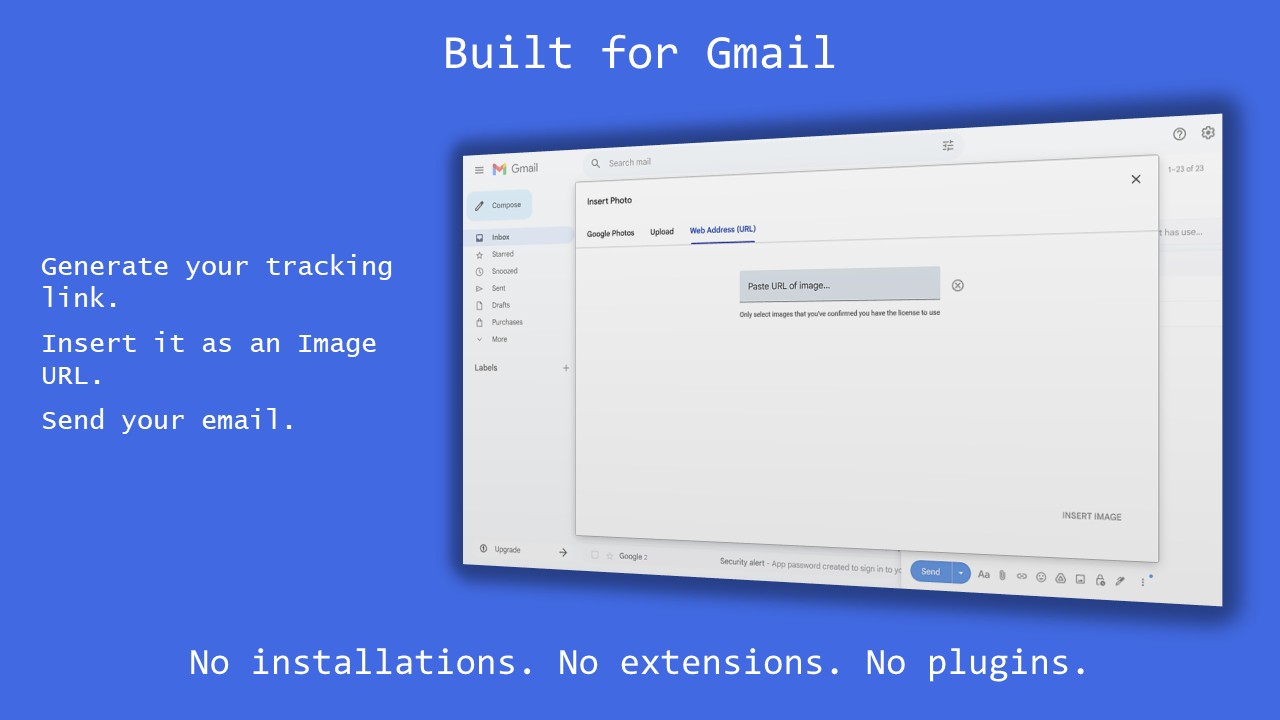
If you are new to tracking, start with how to track emails in Gmail to understand the basic setup.
What Does Gmail Tracking Actually Detect?
Definition: Gmail email tracking detects when a unique image embedded inside an email is requested from a server.
Tracking does not detect:
- How long the email was read
- Whether the recipient carefully reviewed the content
- Emotional response or engagement
It confirms that the message was opened and images were loaded.
Is Gmail Email Tracking 100% Accurate?
No tracking method is perfect.
Accuracy depends on:
- Whether images are enabled
- How Gmail proxy servers retrieve images
- Whether the email is forwarded
- Whether the message is opened on multiple devices
For a more detailed technical breakdown of proxy behavior, caching mechanics, and signal interpretation, see Gmail open tracking accuracy explained. This page provides a deeper explanation of how tracking signals are processed.
What Causes False Positives?
A false positive occurs when a tracking event is recorded even though there was no meaningful human interaction.
This may happen due to:
- Automated image retrieval
- Proxy pre-fetching behavior
- Email forwarding
Learn more about how Gmail image proxy affects tracking.
For a deeper explanation of how Gmail retrieves and filters external images, see how Gmail loads images. This infrastructure explains why proxy caching can influence tracking signals.
What Causes False Negatives?
A false negative occurs when the email was opened, but no tracking event was recorded.
This may happen if:
- Images are disabled in the recipient’s email client
- External images are blocked
In this case, the message may have been read, but tracking cannot confirm it.
Should You Count Multiple Opens?
Opening the same email multiple times or on multiple devices can generate repeated image loads.
Reliable systems focus on identifying the first confirmed open rather than counting every reload.
If you're trying to determine whether someone read your email in Gmail, the first confirmed open is typically the most meaningful signal.
How MailPing Handles Accuracy
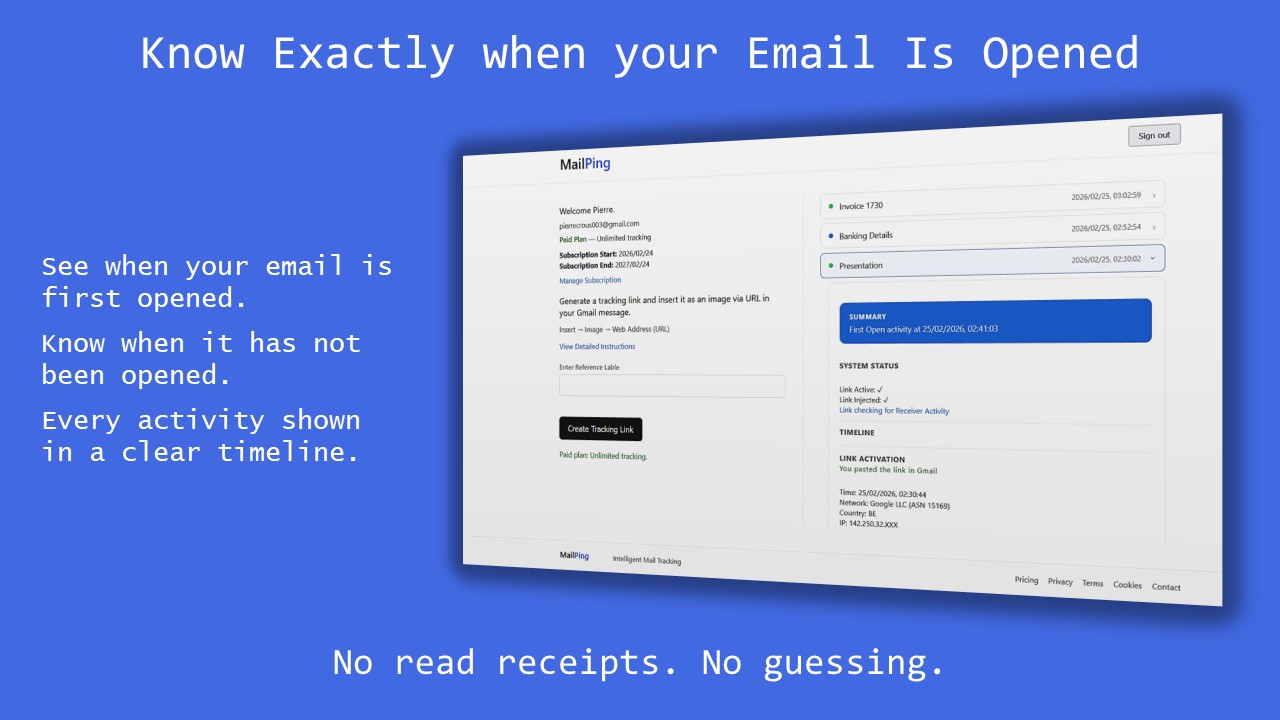
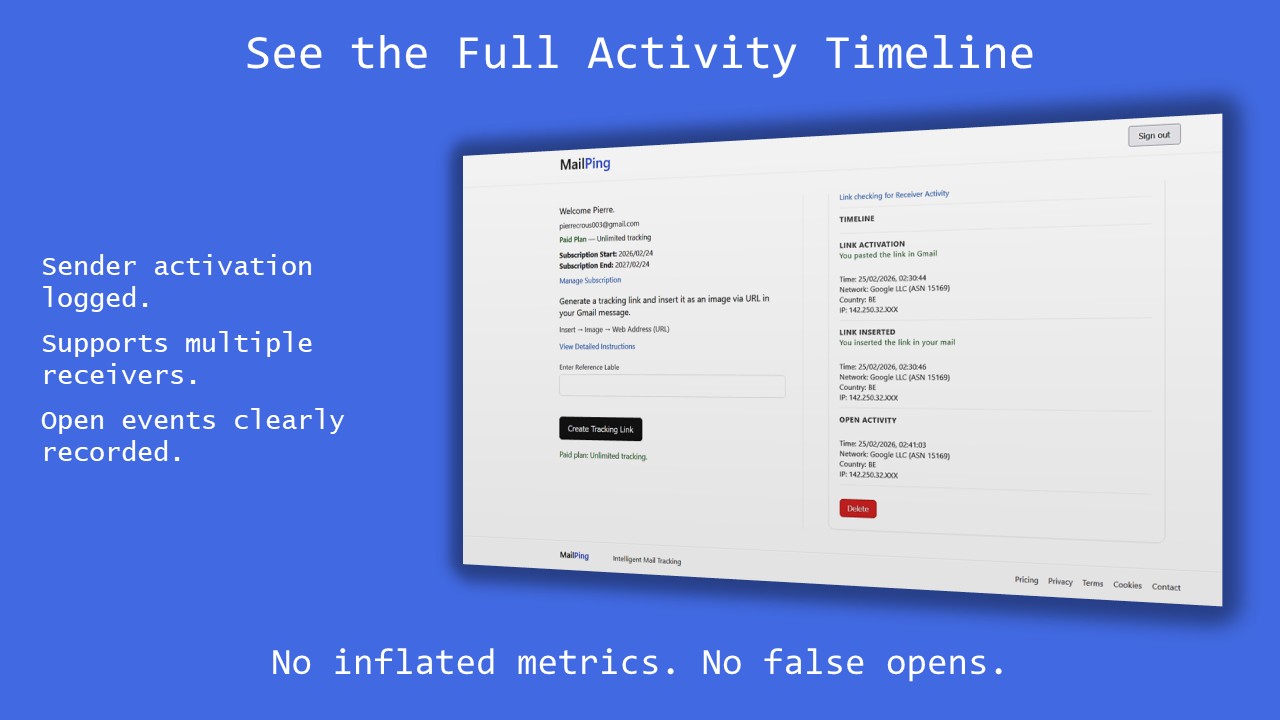
MailPing focuses on recording the first confirmed open timestamp rather than inflating repeated signals.
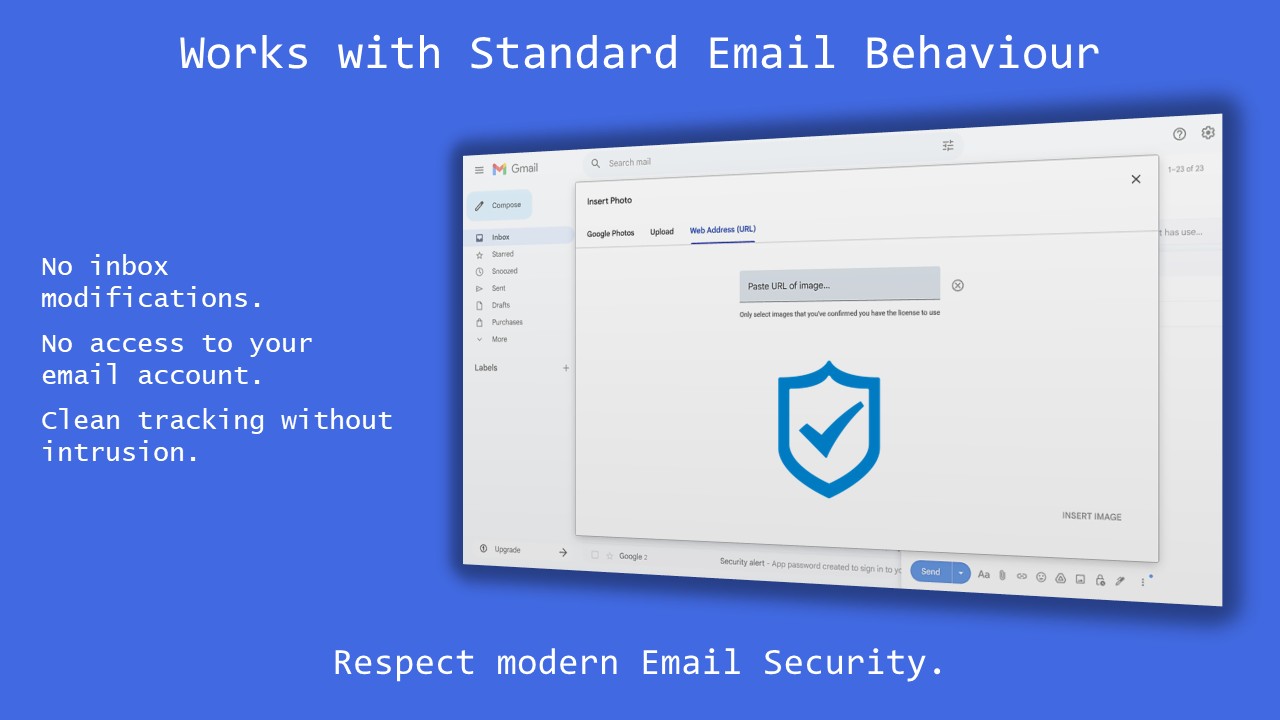
It does not attempt to identify individuals and does not rely on Gmail’s built-in read receipt system (see Gmail read receipt limitations).
Track the first real open — no fake signals, no inflated metrics.
Start Tracking FreeFrequently Asked Questions
Is Gmail email tracking 100% accurate?
No tracking method is 100% accurate. Technical factors such as proxy caching and image blocking can influence results.
What causes false positives in Gmail tracking?
Automated image retrieval or forwarded emails may generate image requests that do not represent meaningful human interaction.
What causes false negatives in Gmail tracking?
If images are disabled in the recipient’s email client, no image request will be made and no open event will be recorded.
See MailPing in Action